Die Muse als Produzentin
Lilja Brik und das sowjetisch-jüdische Dokumentarfilmschaffen der 1920er Jahre
DOI:
https://doi.org/10.17892/app.2026.00022.422Schlagworte:
Lilja Brik, Vladimir Majakovskij, Krim, Sowjetunion, Evrei na zemle, Juden auf der Erde, sowjetisches Kino, OZET, Sovkino, VUFKU, Jüdische StudienAbstract
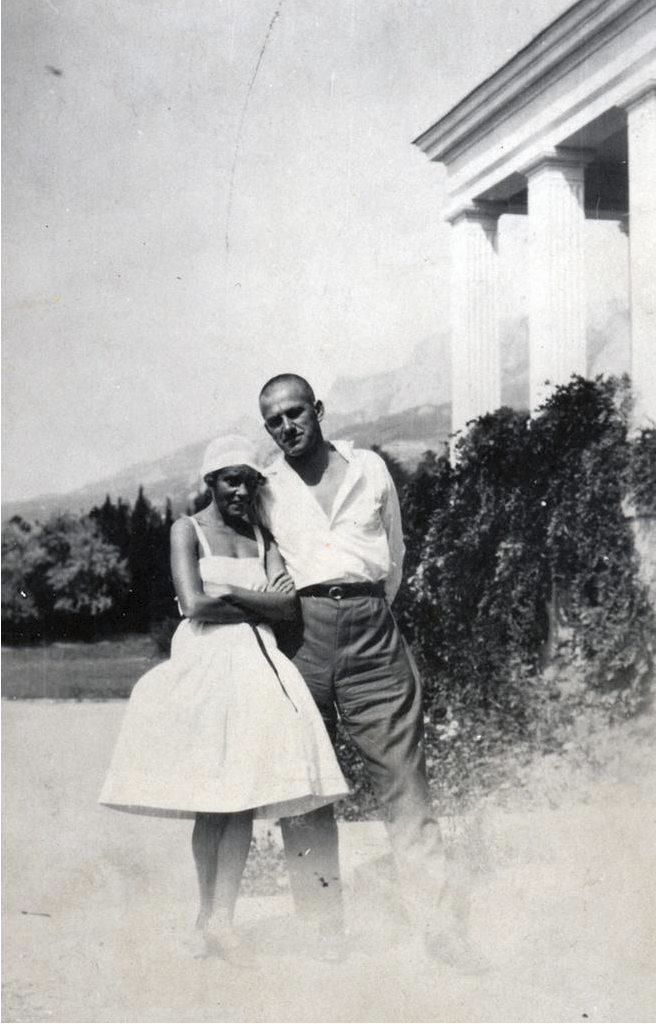
Im Juli 1926 wechselte Lilia Brik (1891–1978), die einflussreiche, als „Muse der Avantgarde“ bekannte Figur, von Moskau aus Briefe mit ihrem Partner, dem Dichter Vladimir Majakovskij (1893–1930), der sich auf Reisen befand. Briks Brief handelte von einer neuen Organisation namens OZET (Gesellschaft jüdischer Werktätiger) und dem Film Evrei na zemle / Juden auf der Erde (Abram Room, UdSSR, 1927). Dieser Film sollte der erste und einzige Agitprop-Film werden, an dem Brik und Majakovskii während ihrer kurzen Karrieren im Kino gemeinsam arbeiteten. Die Organisation OZET stellte die Finanzierung des Films bereit, der gemeinsam von den Studios Sovkino und VUFKU (Allukrainische Foto-Kino-Verwaltung) produziert wurde. Brik war durch ihre Arbeit mit OZET in das Projekt der jüdischen Emanzipation involviert; gemeinsam mit Maiakovskij, dem Regisseur Abram Room und dem Drehbuchautor Viktor Šklovskij dokumentierte sie das Umsiedlungsprojekt sowjetischer Juden, die auf der Krim eine landwirtschaftliche Kommune aufbauten. Der 18-minütige Film zeigte die erfolgreiche Assimilation jüdischer Kolonisten als florierende landwirtschaftliche Gemeinschaft auf zuvor unerschlossenem Land. Der Artikel argumentiert, dass ein Verständnis von Briks Beteiligung, ausgehend von ihrer Identität als sowjetisch-jüdische Filmemacherin, für die Kontextualisierung der anhaltenden Bedeutung des Films in der Geschichte des frühen sowjetischen Kinos zentral ist. Für Brik war die Produktion eines Films über die Einbindung der Juden — einer im imperialen Russland historisch unterdrückten Minderheit — in das sowjetische Projekt der Kollektivierung eine Möglichkeit, die jüdische Sache in der frühen Sowjetunion zu fördern.
Downloads
Veröffentlicht
Zitationsvorschlag
Ausgabe
Rubrik
Lizenz
Copyright (c) 2026 Apparatus. Film, Medien und digitale Kulturen in Mittel- und Osteuropa

Dieses Werk steht unter der Lizenz Creative Commons Namensnennung 4.0 International.
Die Beiträge in Apparatus sind unter https://creativecommons.org/licenses/by/4.0/ publiziert. Diese Lizenz kann nicht auf die zitierten Medien angewendet werden, diese unterliegen den Bedingungen der individuellen Nutzungsrechte.
Die Autor/innen besitzen uneingeschränktes Urheberrecht und verfügen ohne Vorbehalt über ihre Veröffentlichungsrechte.